90s hair was never about just one look. The decade moved between big blowouts, minimalist bobs, undone grunge texture, and playful hair accessories, and that mix is exactly what makes 90s hairstyles feel relevant again today.
The Rachel
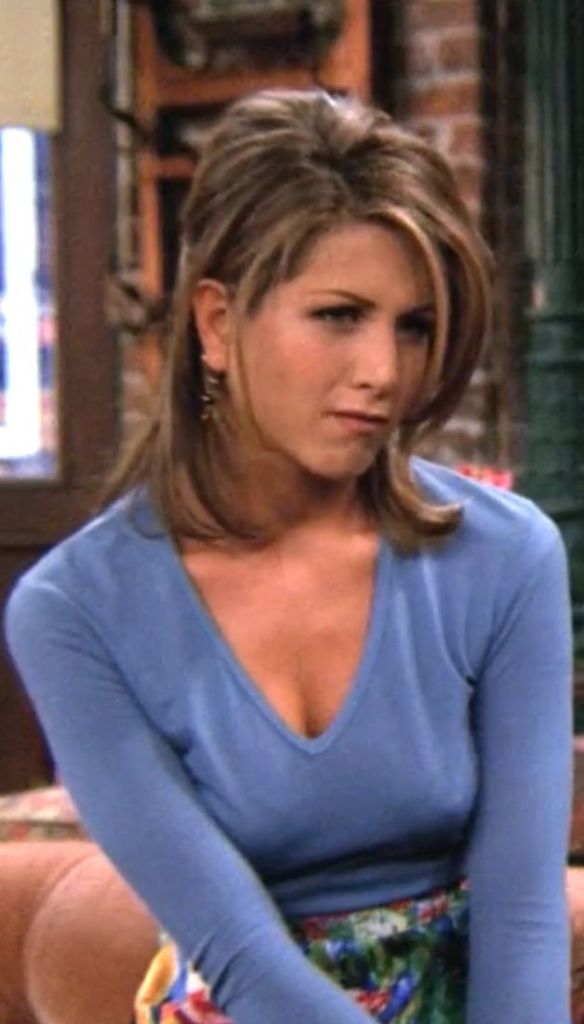
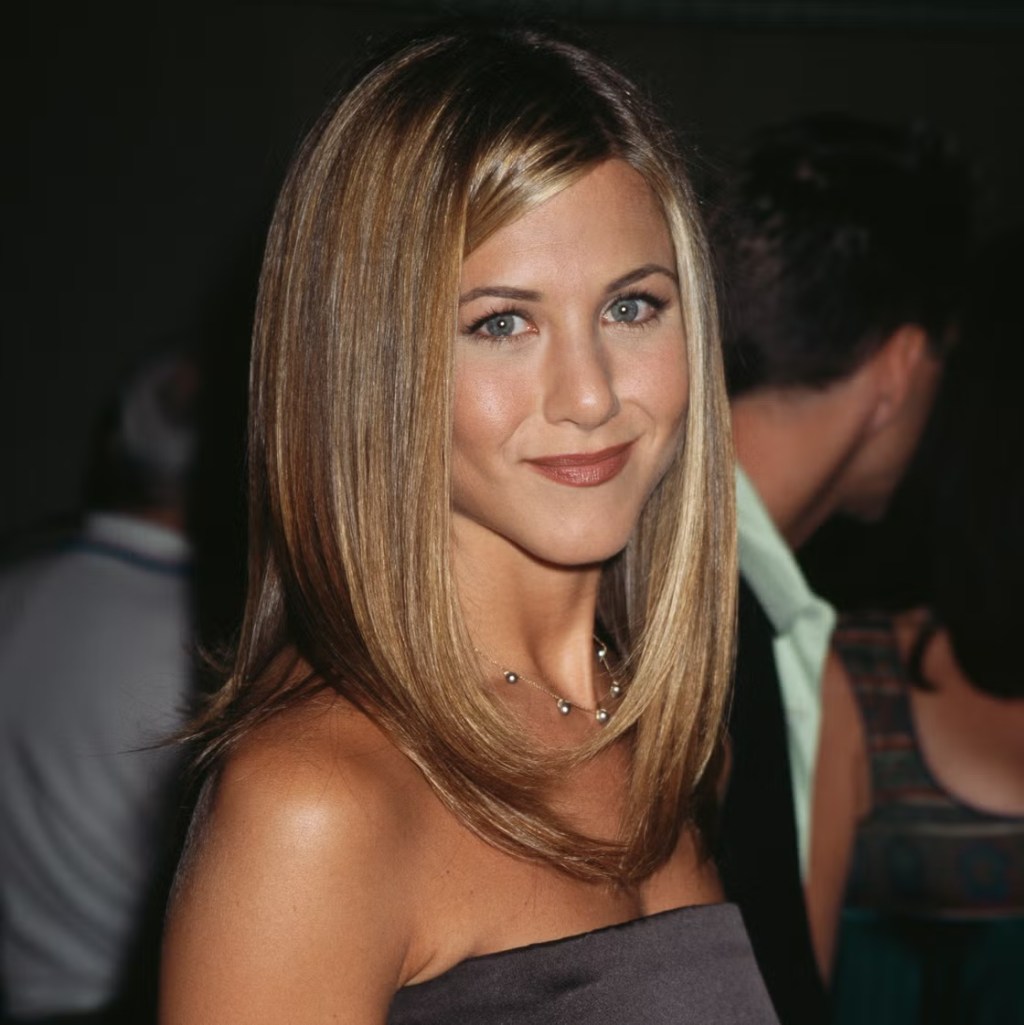
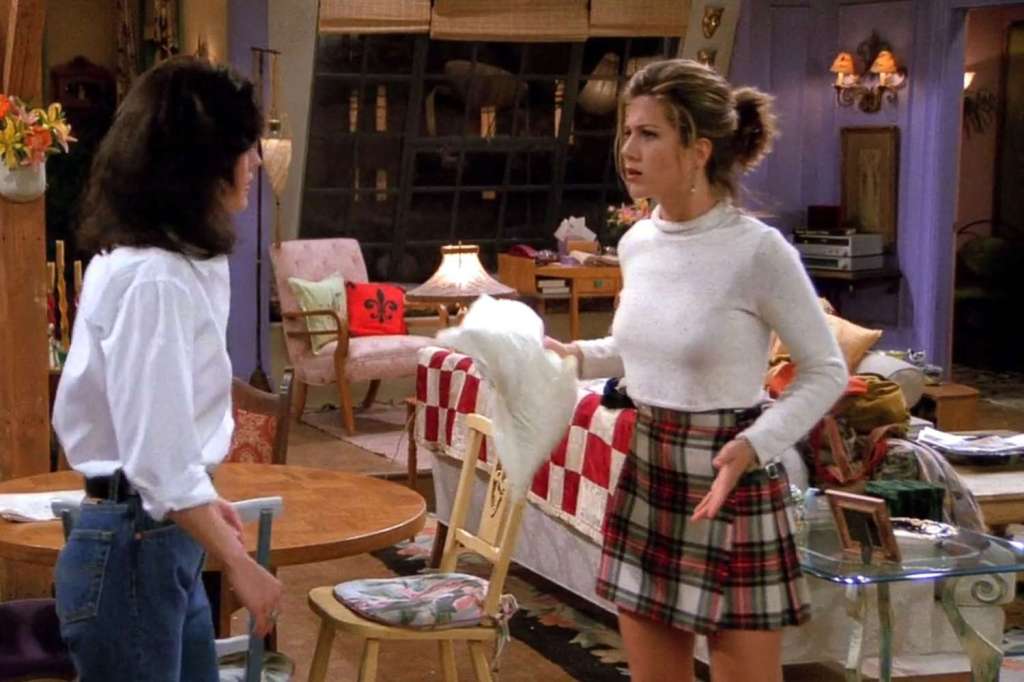
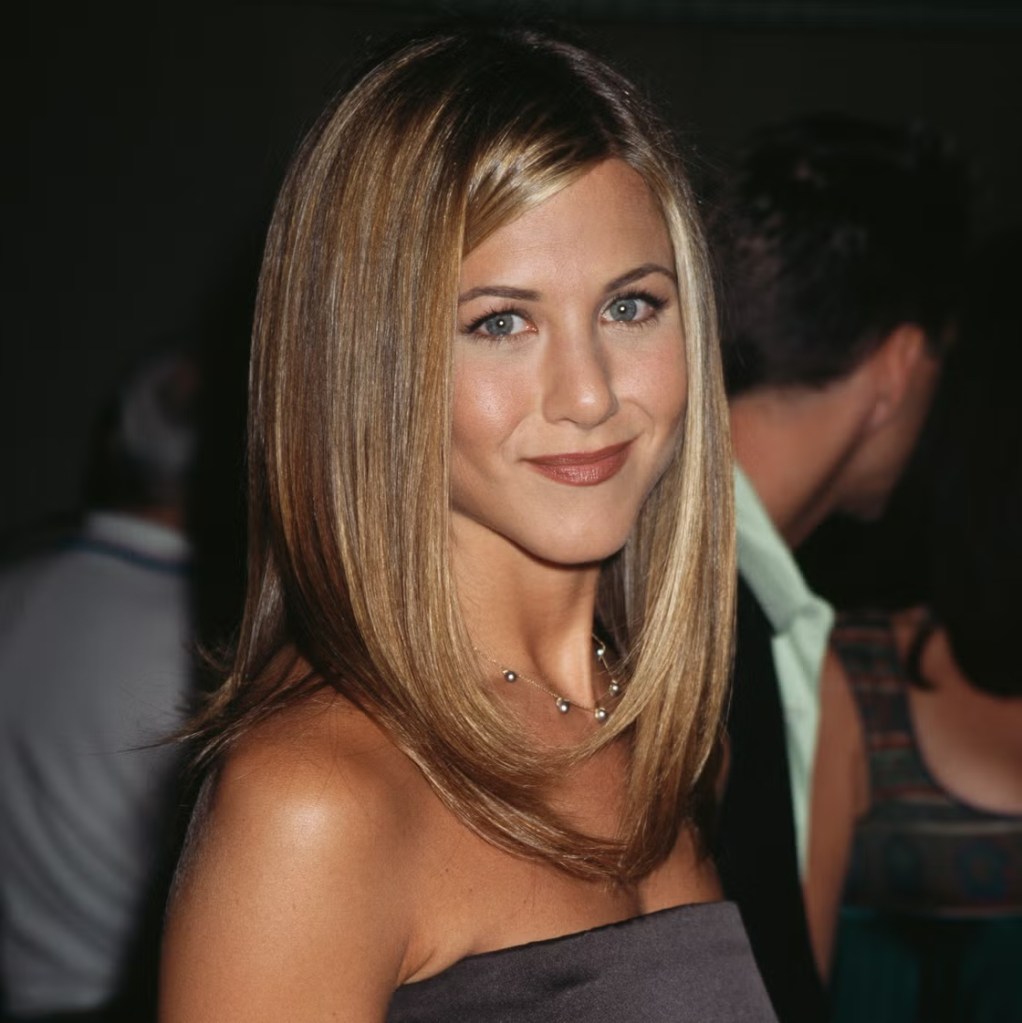
No guide to 90s hair would be complete without The Rachel. Made famous by Jennifer Aniston as Rachel Green in Friends, the haircut became one of the most recognizable and widely copied styles of the decade.
The look was built around shoulder-length hair, heavy layering, and shorter face-framing pieces that created movement around the cheekbones and jaw. The ends were usually styled with a rounded, bouncy finish, giving the cut much more shape than a simple straight lob. See the full styling guide here. It sat somewhere between polished and playful, which made it easy to wear with everything from casual jeans and fitted tees to more preppy 90s looks.
What made The Rachel so distinctive was the way the layers did most of the work. Even without elaborate styling, the haircut had movement and dimension. When blow-dried with the ends turned inward or slightly outward, the layers became even more noticeable.
A modern version can be softer and a little longer, with fewer dramatic layers around the crown. But the essential ingredients remain the same: face-framing layers, volume, highlights, movement, and that unmistakable 90s bounce. If you want to recreate the same highlights, read the color guide.
Polished 90s Hair
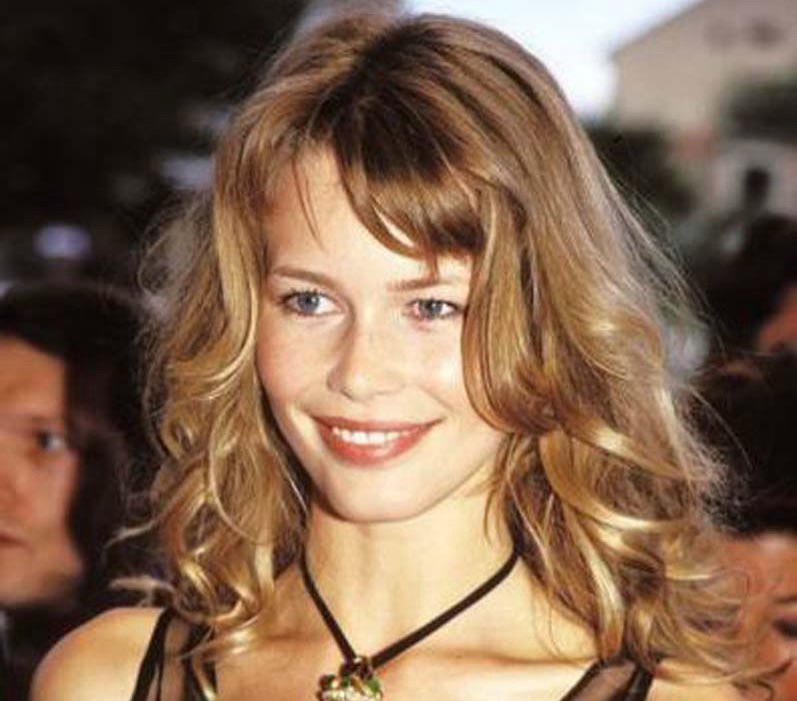
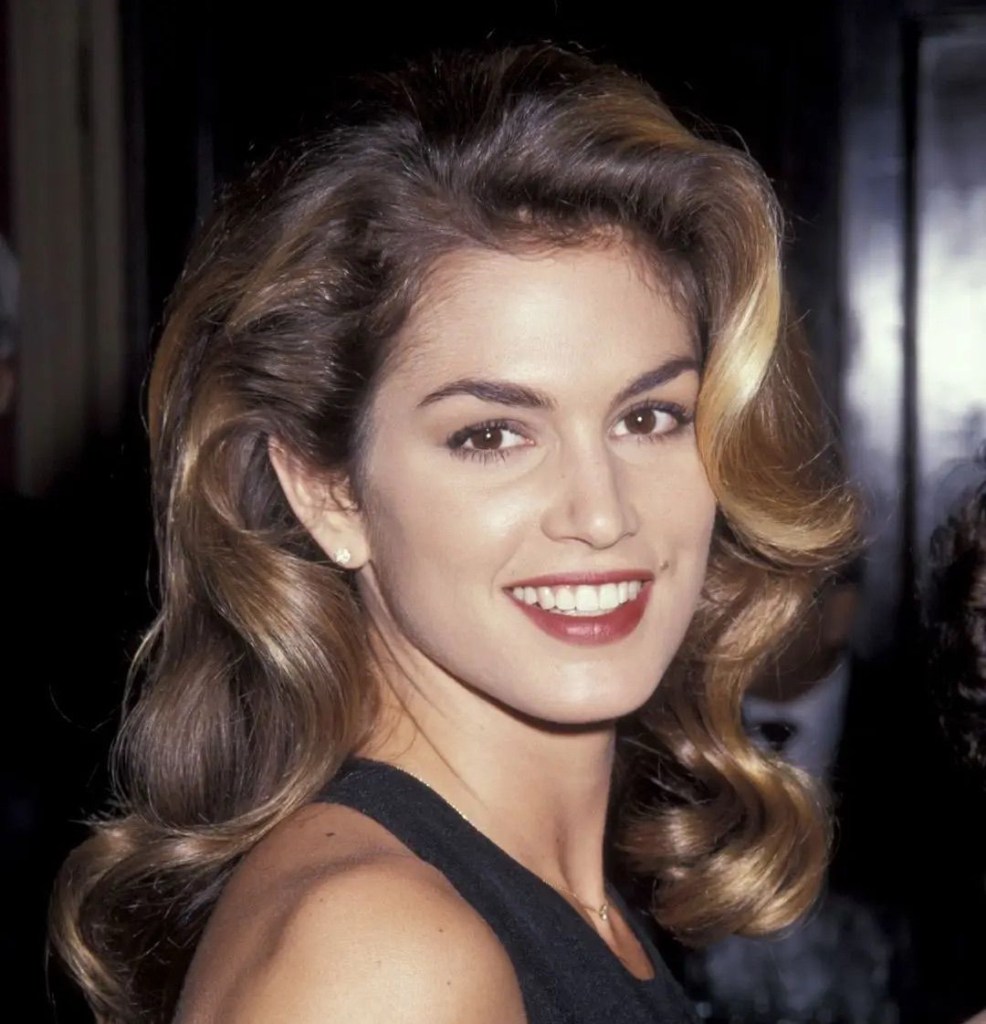
The polished side of 90s hair was all about volume, long layers, and soft movement. Hair was styled to look full and healthy, with plenty of lift at the roots and layers that created shape around the face. Big blowouts were especially popular, often finished with rounded or slightly flipped ends rather than perfectly straight lengths. Big blowout and natural hair is having a strong comeback, read our styling guide here.
Face-framing layers were a key part of the look. Shorter pieces around the cheekbones and jaw helped give the hair that signature 90s bounce, while longer layers kept the overall style soft and wearable. The result was glamorous without feeling overly stiff or sculpted.
Think Cindy Crawford, Claudia Schiffer, and the classic 90s layered cuts that became such a major part of the decade’s beauty aesthetic. This style worked especially well with medium to long hair and could be worn with either a deep side part or a softer center part. It is also one of the easiest 90s hair trends to update today, since the focus is less on recreating an exact vintage hairstyle and more on bringing back movement, body, and face-framing shape.
Key styles: layered cuts, big blowouts, side parts, and bouncy ends. Want to make your own big blowouts or side parts. Read the guide.
Minimalist 90s Hair
The minimalist side of 90s hair was much quieter than the big blowouts of the decade. Instead of dramatic volume, the focus was on natural texture, simple shapes, and hair that looked almost untouched. Straight or softly textured hair was often worn with very little visible styling, making the cut itself the main feature.
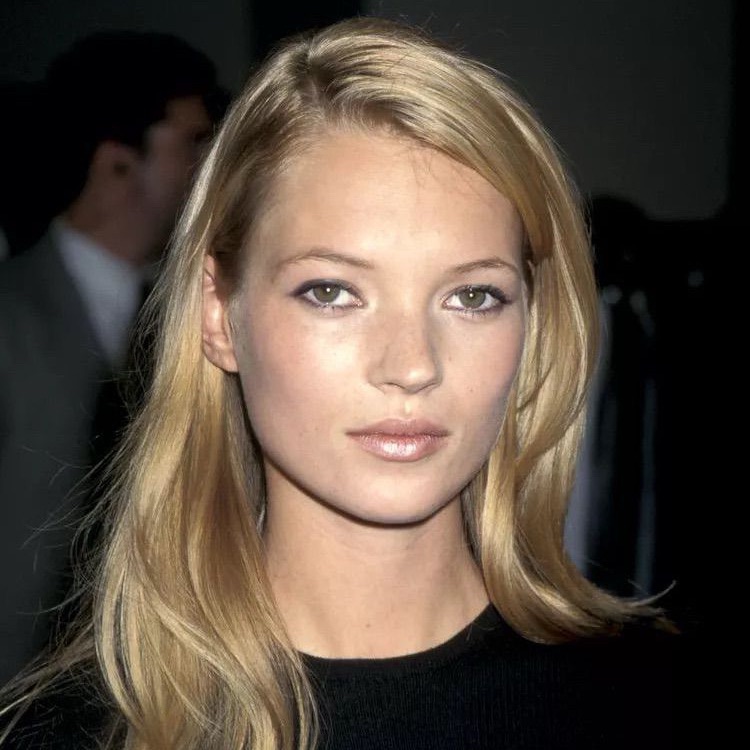
Kate Moss is a perfect example of this effortless look. Her hair was often worn naturally straight, slightly imperfect, and with minimal volume. Rather than looking freshly styled, it had that relaxed, lived-in quality that became closely connected to 90s minimalism and the era’s model-off-duty aesthetic. A simple middle part or slightly uneven parting made the look feel even more casual.
Shorter cuts also became an important part of this aesthetic. Winona Ryder’s bob showed how a simple haircut could still have plenty of personality. Her shorter styles often sat around the jawline, with a softly undone finish rather than a perfectly sculpted shape. Worn straight, tucked behind the ears, or with a subtle side part, the bob worked beautifully with the clean lines and understated fashion of the decade. The 90s bob is currently trending again, read more about why here.
The key to minimalist 90s hair was that it didn’t look overworked. Instead of perfect curls or heavy styling, the look relied on healthy-looking hair, a strong haircut, and natural movement. That simplicity is also what makes these styles so easy to recreate today.
Key styles: sleek bobs, straight hair, middle parts, and simple low buns.
Grunge 90s Hair
Grunge 90s hair was all about texture, individuality, and a slightly undone finish. Unlike the polished blowouts and sleek minimalist styles of the decade, grunge-inspired hair often looked less controlled. Natural curls, choppy cuts, short pixies, messy waves, and imperfect texture all fit into the look. The goal was not to make the hair appear freshly styled, but to let it have a little attitude of its own.
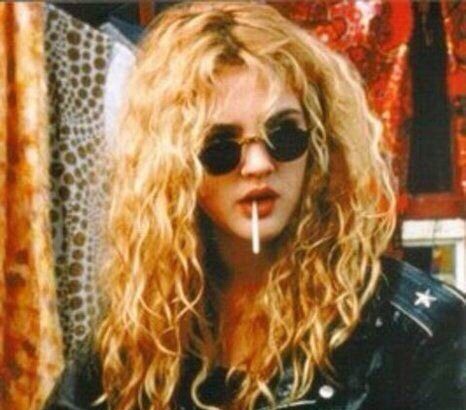
Drew Barrymore’s wild curls are a great example of the freer side of 90s hair. Her curls often had plenty of volume and movement, without being shaped into perfectly uniform ringlets. The slightly tousled finish made the hair feel relaxed and spontaneous, especially when paired with the darker lipstick, slip dresses, denim, or vintage-inspired pieces associated with alternative 90s style. Rather than fighting natural texture, this look embraced it.
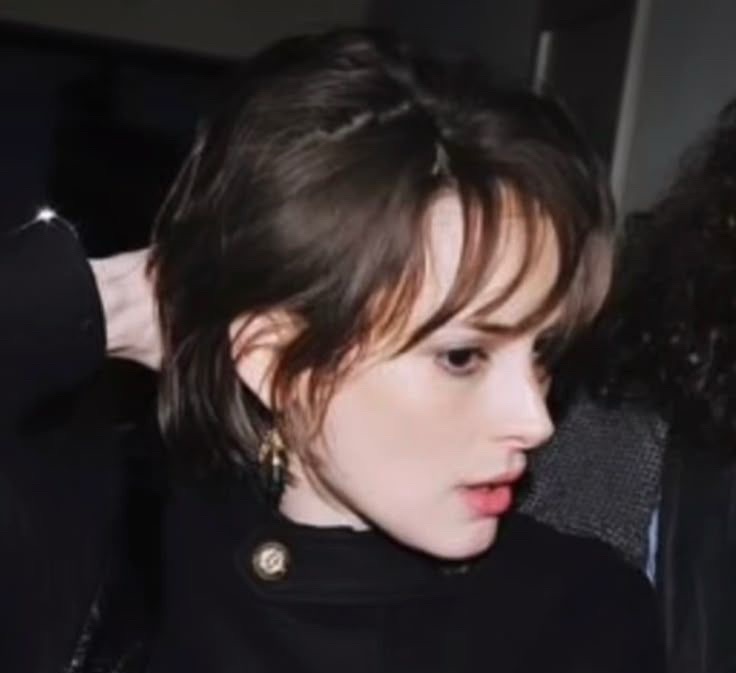
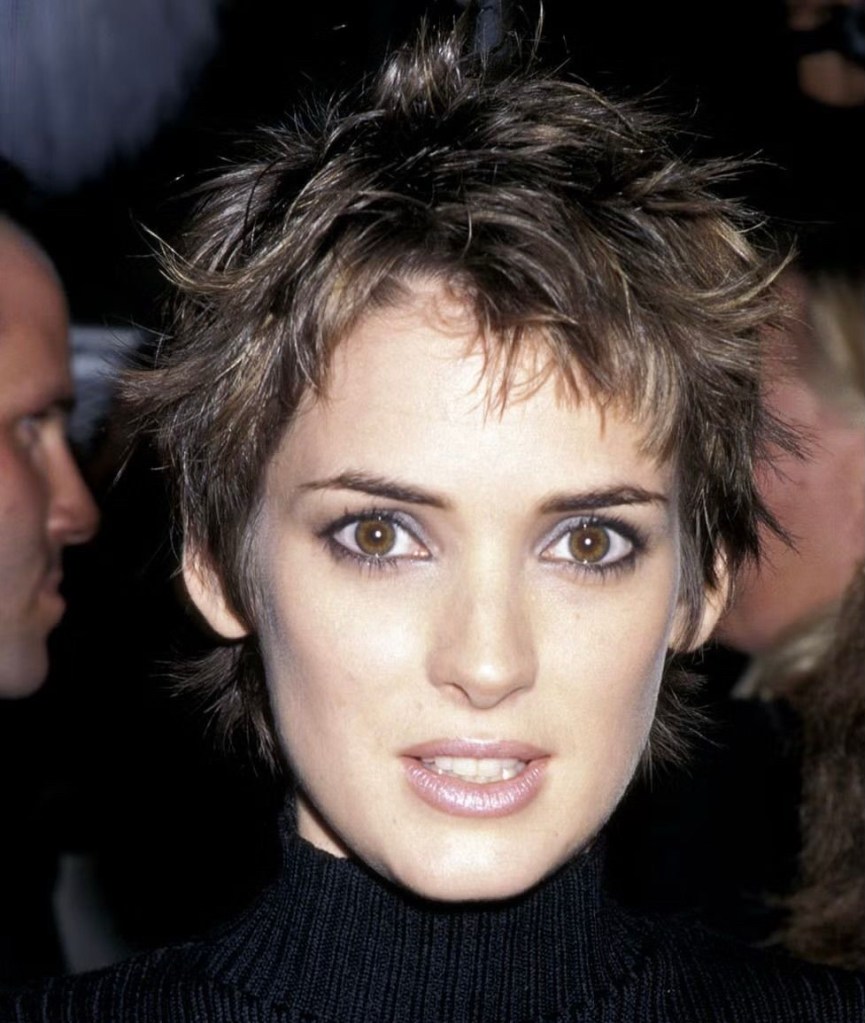
At the other end of the spectrum was the 90s pixie cut. Winona Ryder showed how short hair could feel feminine, edgy, and effortless at the same time. Her pixie styles often featured soft, choppy texture with slightly longer pieces on top or around the fringe. Instead of being heavily sculpted, the hair could be pushed to one side, tucked back, or left slightly messy.
What connects these very different hairstyles is their lack of perfection. Grunge hair did not have to follow one specific length or texture. Long curls could be just as fitting as a short pixie. It was more about allowing the hair to look natural, slightly unpredictable, and personal.
For a modern version, focus on natural curls, air-dried texture, choppy layers, soft pixies, loose waves, and minimal styling. A little frizz or uneven movement can actually make the look feel more authentically 90s rather than less polished.
For more grunge 90s inspiration, visit 90s grunge styling.
Key styles: messy waves, choppy layers, pixie cuts, and undone texture.
Preppy 90s Hair
Preppy 90s hair had a clean, feminine feel, but it was rarely too perfect. The styles often looked polished enough to work with slip dresses, fitted cardigans, tailored coats, and minimalist separates, while still keeping the softness and movement that defined much of 90s beauty.
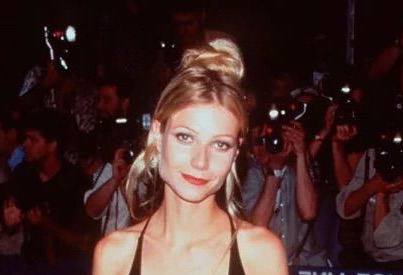
Gwyneth Paltrow’s low bun with long face-framing pieces is a perfect example. Instead of pulling every strand tightly away from the face, the style left longer sections loose around the ears and cheekbones. This softened the bun and gave it that unmistakable 90s finish. The result felt elegant, but also relaxed enough to look effortless rather than formal. Low buns, simple updos, center parts, and deliberately loose strands were all easy ways to achieve this kind of polished-preppy look.
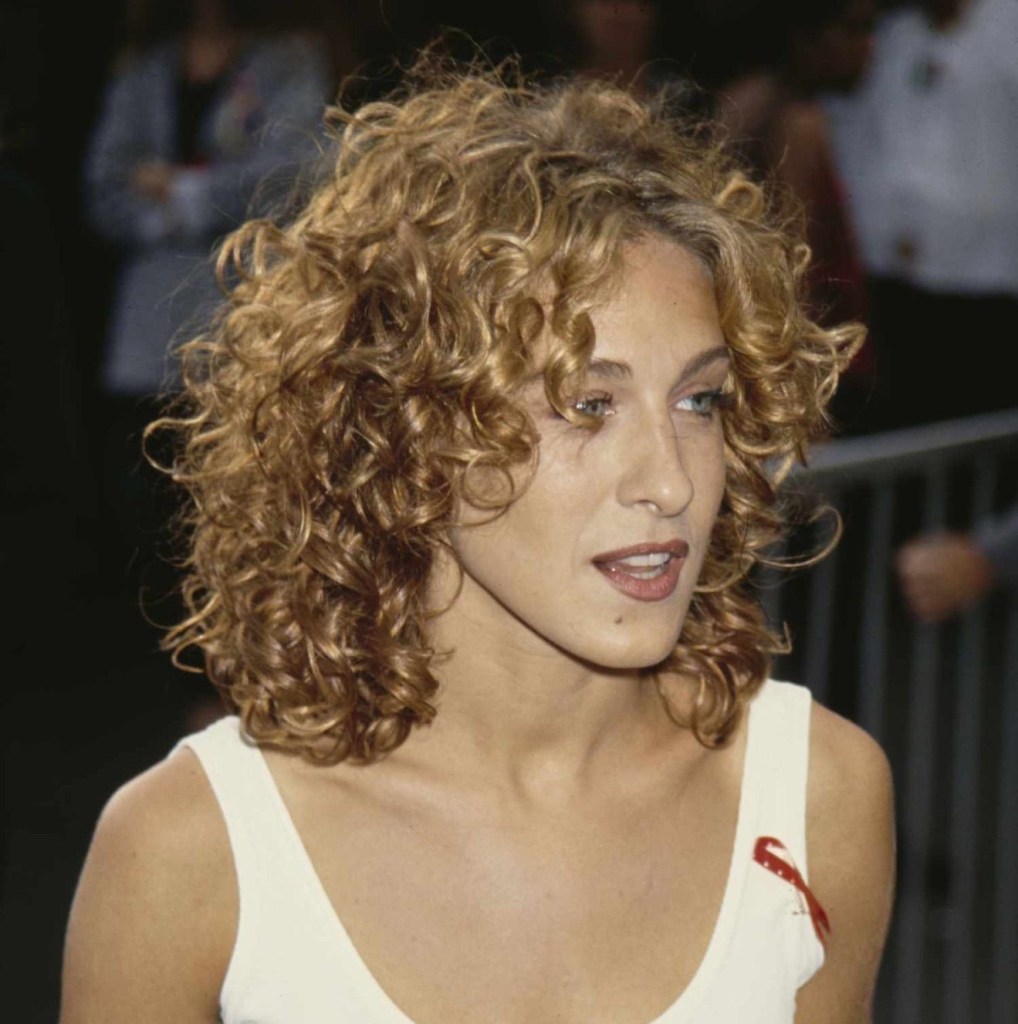
Sarah Jessica Parker’s curls showed a more playful side of preppy 90s hair. Her curls could be big, wild, and full of movement, yet they still looked cared for and intentional. Rather than perfectly uniform curls, there was volume, texture, and a slightly untamed shape. This worked beautifully with the more feminine and polished fashion of the decade because the hair added personality and stopped the overall look from feeling too neat.
What ties these styles together is the balance between polished and natural. Preppy 90s hair could be a simple bun, a soft ponytail, or a full head of curls, but it usually retained movement and softness. Face-framing pieces, gentle volume, and natural texture kept even the most put-together hairstyles from looking overly styled.
Alternative 90s Hair
Alternative 90s hair was where the decade became more experimental. Instead of following one polished formula, these styles leaned into unexpected shapes, braids, accessories, texture, and deliberately unconventional styling. The result could be playful, punk-inspired, futuristic, or heavily influenced by street style and music culture.
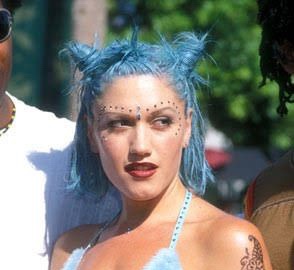
Gwen Stefani’s spiky buns are a perfect example of the more rebellious side of 90s hair. Rather than creating smooth, classic updos, the hair was twisted into small buns with sharp ends left sticking out. The style felt deliberately imperfect and graphic, especially when paired with bold makeup, cropped tops, plaid, or punk-influenced pieces. Small buns, twisted sections, visible pins, and exaggerated spikes all helped make the hairstyle part of the outfit rather than simply a finishing touch.
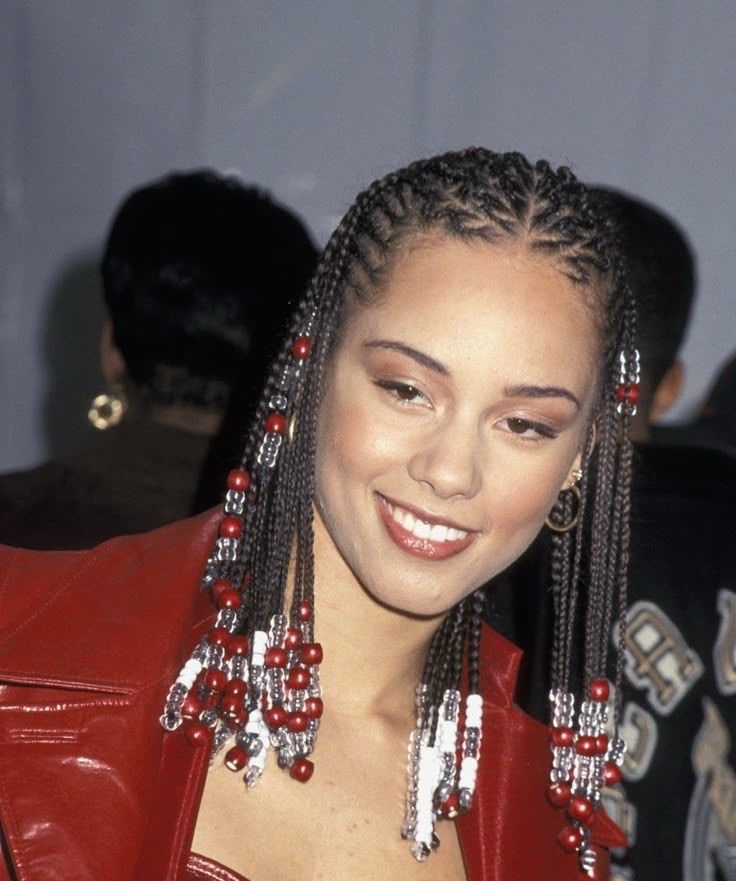
Alicia Keys’ small braids with beads show another important side of alternative 90s and early-2000s hair. Thin braids could be worn throughout the hair or concentrated around the face, then finished with beads or other decorative details. The braids added texture and movement while making the hairstyle feel much more individual. Braided styles also drew from long-established Black hairstyling traditions, while becoming especially visible in mainstream fashion and music imagery during this period.
Accessories were a major part of the alternative look. Beads, tiny clips, barrettes, elastics, ribbons, and decorative pins could transform even a simple hairstyle. Crimped sections, tiny face-framing braids, twisted buns, and contrasting textures were often mixed together rather than kept perfectly coordinated.
What defines alternative 90s hair most is its sense of experimentation and personality. There were fewer rules. Hair could be spiky, braided, crimped, brightly accessorized, or deliberately asymmetrical. For a modern version, you do not need to recreate the entire look. A pair of tiny braids, beaded details, twisted mini buns, or a few strategically placed clips can bring that same alternative 90s energy into a more wearable hairstyle.
The 90s Hair Details That Matter
You do not need to copy an entire vintage hairstyle to get the look. A few small details can make a big difference.
Face-framing layers, claw clips, scrunchies, middle parts, loose texture, and volume around the face are some of the easiest ways to bring 90s hair into a modern look.
The best thing about 90s hair is the variety. Whether you prefer it big and polished, sleek and minimal, or messy and grunge-inspired, there is a 90s version that still works today.
Hair Color Trends
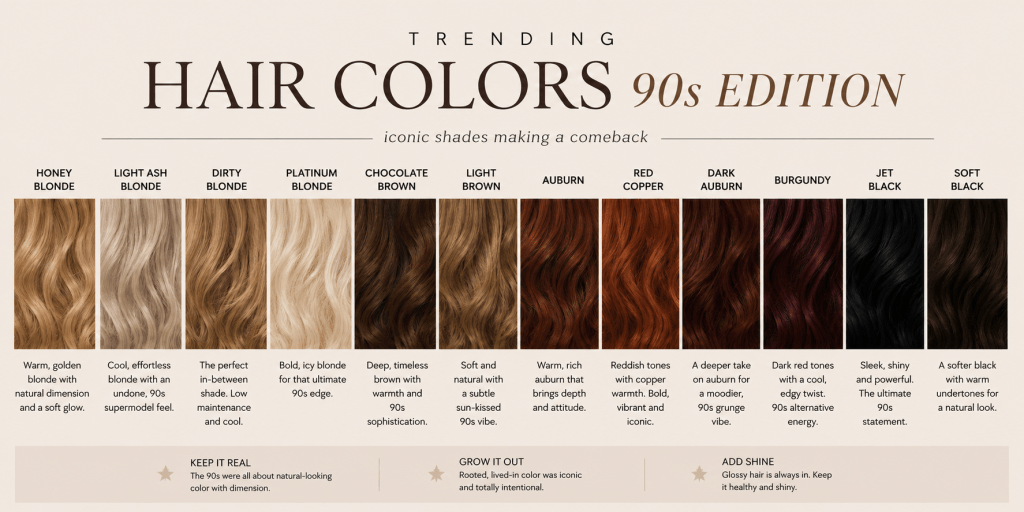
Hair color in the 90s was surprisingly varied, but it usually felt more natural and lived-in than overly perfected. Warm blondes, dirty blonde, ash blonde and dimensional brunette shades were everywhere, particularly in the polished supermodel world. Claudia Schiffer became closely associated with long, golden blonde hair, while Kate Moss often wore a darker, more understated dirty blonde that suited the decade’s minimalist aesthetic. Cindy Crawford’s rich brunette hair was another defining look, often styled with warm dimension and plenty of shine. Rather than ultra-precise modern balayage, highlights could be more noticeable, with lighter pieces around the face and visible contrast through the lengths.
On the darker side of the palette, the 90s gave us everything from soft chocolate brown to almost-black hair. Winona Ryder moved through several dark brunette shades, which worked especially well with her pixie cuts, bobs and slightly alternative styling. Jennifer Aniston’s famous Rachel era helped make warm brunette hair with caramel and golden highlights enormously influential, while actresses such as Courteney Cox became associated with glossy, deep brunette shades. Dark hair also played beautifully into 90s minimalism: paired with a simple bob, straight texture or middle part, the color itself didn’t need to be complicated to make an impact.
Then there was the more rebellious end of 90s color. Copper, auburn, burgundy, vivid red and platinum blonde brought color into grunge and alternative styling. Drew Barrymore experimented with warmer reddish and auburn tones during the decade, while Gwen Stefani’s platinum blonde became an unmistakable part of her late-90s look. Tori Amos made rich red hair feel dramatic and ethereal, while Shirley Manson’s fiery red hair became deeply connected to the alternative-rock aesthetic. That contrast is part of what makes 90s hair so useful for inspiration today: you can go polished with honey blonde and chocolate brunette, understated with dirty blonde and soft black, or push toward copper, burgundy and platinum for a stronger grunge feel.